
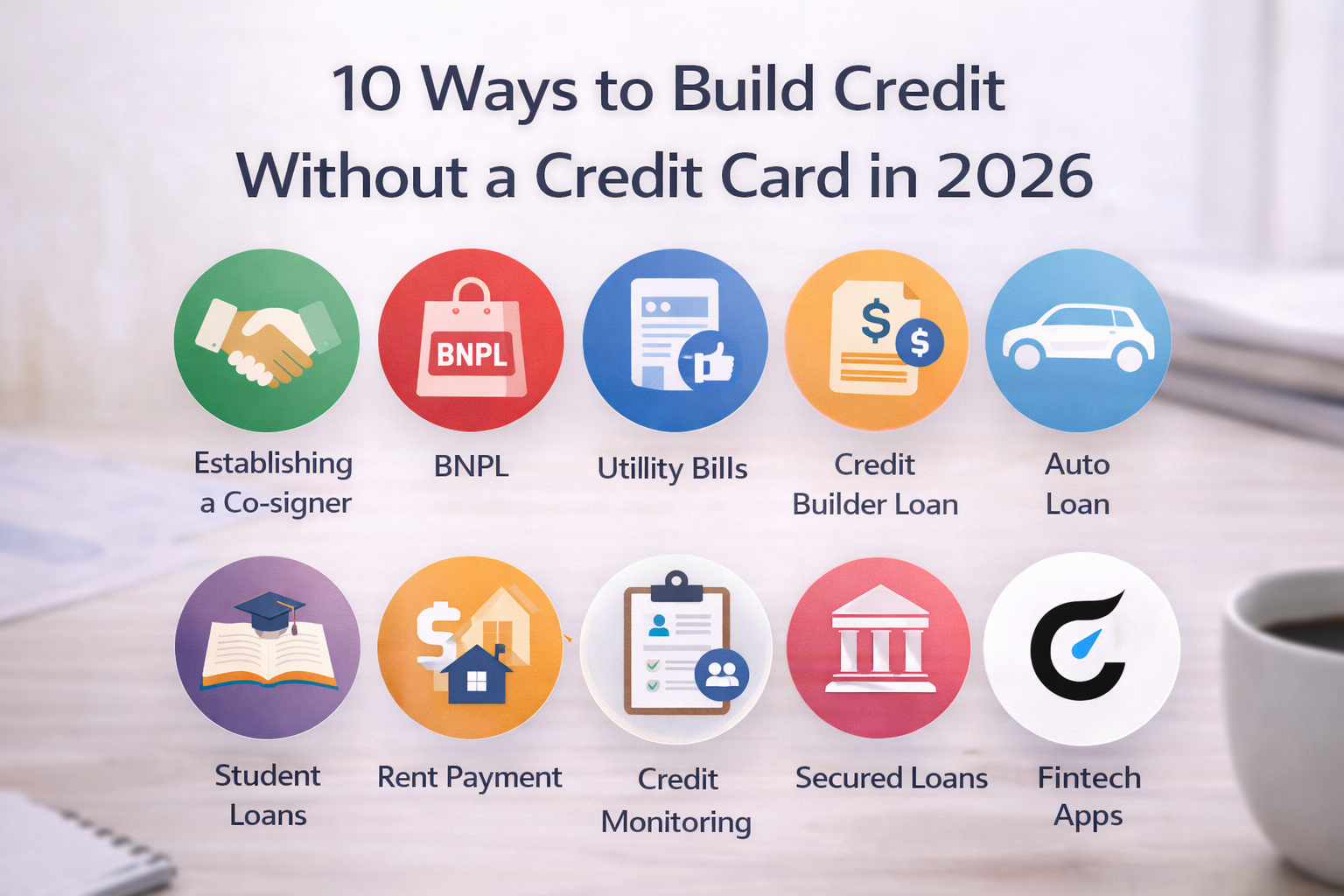
The most common credit-building advice starts and ends with credit cards. Get a card, use it responsibly, pay it off. That advice works, but there are several assumptions made when giving such advice. Most importantly, many people don’t have a desire for a credit card, or have trouble getting approved for one, or may simply prefer not to carry revolving debt.
The good news is that credit cards are not the only path. Here are ten legitimate ways to build credit in 2026 without ever opening one.
1. Report your rent payments
If you are renting and paying on time, you are already doing the most credit-worthy thing most people do every month. The problem is the credit system cannot see it unless someone reports it.
Rent reporting services submit your monthly rent payments to credit bureaus where they are treated as positive payment history. Credit Genius reports rent to Experian and includes a backdating feature that allows you to submit up to 24 months of prior history at once. A 2021 TransUnion study found that rent reporters saw an average score increase of 60 points. For someone building from scratch, this is the single fastest option on this list.
2. Take out a credit builder loan
A credit builder loan works differently from a regular loan. You do not receive the money upfront. Instead you make monthly payments into a locked savings account and the lender reports those payments to the credit bureaus. At the end of the term you get the money back minus fees.
It is a low-risk way to build payment history because you are essentially saving money while establishing a credit record. Many credit unions and community banks offer these products specifically for people with no or limited credit history.
3. Become an authorized user on someone else’s account
Asking a trusted family member or close friend who has excellent credit and an active long-term account to place you as an authorized user on one of their accounts will be beneficial to your file. It doesn’t matter whether you intend to use the account – you don’t need to get a card or even receive a physical copy. Their payment history on that account will appear on your credit report and give your file an immediate boost in both payment history and account age.
This only works positively if the primary cardholder has a clean payment history and low utilization. If they have missed payments or carry high balances, it could work against you. Choose carefully.
4. Add utility and phone payments
Some services allow you to add on-time utility, phone, and select streaming service payments to your Experian credit file. If you are already paying these bills on time every month, adding them to your file creates additional positive payment data points at no extra cost.
The credit impact of utility reporting is generally smaller than rent reporting or a credit builder loan, but it contributes to a fuller credit file and can be particularly useful for people with very thin files who need any positive data they can get.
5. Take out a personal loan and repay it responsibly
A personal loan is an installment account, which means it contributes to payment history and credit mix on your credit file. If you need financing for something specific, a personal loan from a bank or credit union can serve a dual purpose: funding the purchase and building credit at the same time.
The key is to borrow only what you need, make every payment on time, and not use this as a reason to take on debt you would not otherwise take on. Borrowing money for the sake of credit building comes with real financial costs.
6. Get a credit-builder account
Some fintech platforms offer small credit accounts specifically designed for people with no credit history. You get a limited credit line to make purchases within a specific platform and on-time payments are reported to the major bureaus. These products are accessible to people with no credit history and no credit check required.
The credit line is typically small and the purchasing options are limited, but the purpose is credit building rather than actual spending power. For a true beginner, it is one of the simplest possible entry points.
7. Report your student loan payments
If you have student loans, they are almost certainly already being reported to the credit bureaus. Every on-time payment is building your payment history. Every month of consistent repayment is adding to the length and strength of your credit file.
Many people with student loans do not realize how much positive credit history they are already building. Check your credit report to confirm your loans are reporting correctly and that your on-time payments are being recorded accurately.
8. Take out an auto loan
If you need a car and finance it through a loan, the monthly payments are reported to the credit bureaus and contribute to your payment history and credit mix. Some lenders specialize in working with borrowers who have limited credit history, though the interest rates may be higher as a result.
As with personal loans, the credit building benefit is a byproduct of a decision you are making anyway. Do not take out an auto loan purely to build credit. Do it because you need the car and use the credit benefit as an added advantage.
9. Apply for a secured loan
There are some banks and credit unions that offer secured loans. These loans will allow you to pledge savings accounts (or other forms of liquid assets) as collateral. Because the bank’s risk is low they can approve most applicants for a secured loan regardless of whether or not you have any credit history. Each month when you make your payment on your secured loan those payments are reported to the Bureaus which will build your credit file over Time.
Secured loans are very similar to credit builder loans, except instead of using the savings to build savings, you’re using existing savings. Therefore if you already have money saved you could potentially Put Those Funds to Work For Your Credit without having to spend them.
10. Engage with AI-powered credit guidance
Building credit without a credit card is not just about the accounts you open. It is about understanding your specific file and knowing which actions will have the most impact given where you are starting from. Generic advice can only take you so far.
AI-powered credit guidance tools like the one inside Credit Genius analyze your actual credit profile and tell you exactly which moves will move your score most efficiently. For someone building from scratch, knowing whether to prioritize rent reporting, a credit builder loan, or becoming an authorized user first can make a significant difference in how quickly you reach a scoreable and competitive credit profile.
The bottom line
You do not need a credit card to build credit. You need consistent, on-time payments on accounts that are being reported to the credit bureaus. Several of the options on this list, particularly rent reporting with backdating, are faster and less complicated than getting a credit card and using it carefully for months.
Start with the payments you are already making. Make sure they are being counted. Then add one additional credit-building product if your file needs more data. That combination is enough to build a solid credit profile without ever opening a credit card.