
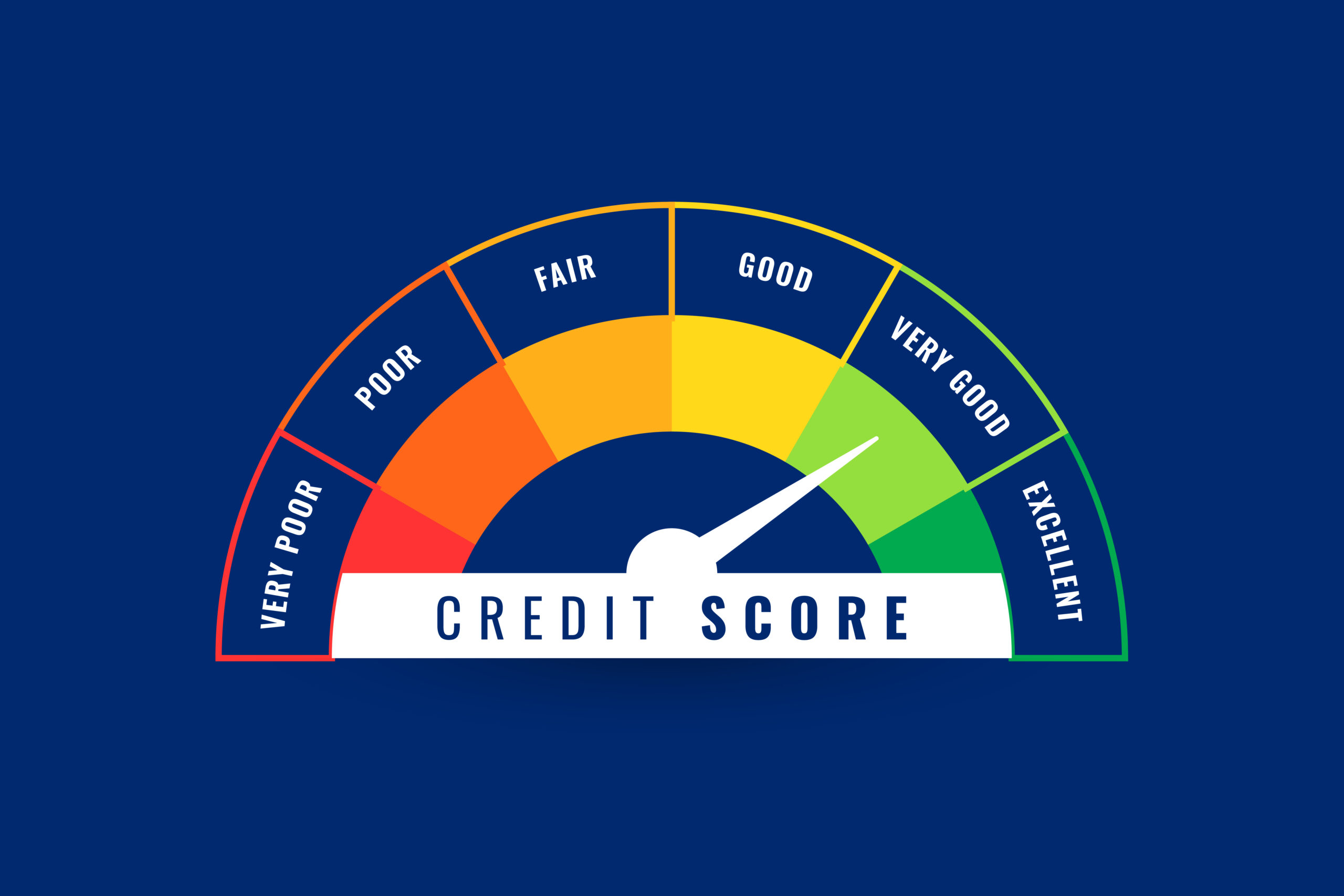
A person’s credit score has no idea they recently got married, lost their job, or moved across the world. The same is true for the financial actions taken due to these events, although it may be in ways you wouldn’t expect.
Here’s how big moments in your life impact your credit.
Moving to a new city or home
You are allowed to move without negatively impacting your credit. A change of address is not a credit action.
However, many times, moving leads to a series of financial actions that can negatively impact your credit.
For example, if you have to break a lease, check with your landlord to see if they report to credit bureaus. Many landlords do not, however, some do.
If an early termination fee is sent to collections because of a broken lease, it may appear on your report and potentially lower your score.
When renting a new place, a credit check is commonly done by the landlord. A credit check completed by a landlord is generally considered a soft inquiry. Soft inquiries do not affect your credit score.
Some landlords may complete a hard pull. Ask the landlord if this is going to occur before allowing them to complete the inquiry.
The process of getting a mortgage (hard inquiries) occurs multiple times, multiple mortgage inquiries in a short time period (usually 14-45 days based on the scoring model), will be treated as one inquiry to account for rate shopping.
Each inquiry after that time frame will be treated as separate inquiries.
In addition to obtaining new utility accounts when you move, there may be a soft inquiry at most utilities. However, some utilities may perform a hard inquiry.
Losing your job
Although many people find this surprising, your employment status does not appear on your credit report and therefore it does not directly affect your credit score.
However, losing your job may have implications for your credit score.
When you lose your job and fail to make your required monthly payments on time (credit cards or loans) your late payments will be submitted to the three primary credit reporting agencies (Equifax, Experian, and TransUnion).
A single missed payment can result in a loss of 50 to 100 points of your current credit score.
To make on-time payments, you should also keep your utilization ratio for all revolving accounts as low as possible.
Your utilization ratio is the amount of available credit that you are using divided by your total available credit. A low utilization ratio is a good method to help protect your credit history.
It will also give potential creditors confidence in your ability to use and responsibly manage credit.
Since you may need to use your available credit to help cover living expenses, keeping your credit utilization ratio as low as possible may be challenging.
Your top concern should be to protect your payment history.
During a job loss, your first concern should be to ensure that you continue to meet your monthly financial obligations.
Therefore, if you can only make one payment per month, you should prioritize paying the minimum on your credit accounts before making any other type of payment.
Additionally, you should contact your creditors to ask about their hardship programs.
Creditors may agree to defer payments or temporarily reduce the minimum payment due on your account(s) without reporting a negative event to the credit bureaus.
Getting married
Marriage will never combine your credit reports. The idea of a “joint” credit score is simply a myth.
When you get married, your credit report will remain yours and your spouse’s will remain their credit report.
The difference is in the way you make joint financial decisions.
When you create a joint credit account (such as a joint credit card or mortgage), how that account is managed will directly affect both of your credit reports.
If one partner makes a late payment on a joint credit account, the negative impact to both partners’ credit reports is equal.
If you have a large disparity in credit scores with your spouse, you need to know how this will affect a joint loan application.
A lender will normally take the lower of the two credit scores when considering your mortgage application.
In some instances, the lender may average the two scores.
For example, if one spouse has a very low credit score, but the other spouse has a high credit score, the lender will take the lower of the two credit scores.
This could also potentially affect the interest rate you qualify for regardless of your own individual credit score.
As a credit user, becoming an authorized user on your spouse’s credit card account can be beneficial to the lower scoring partner (as long as the account has been paid on time with minimal use) and allow them to benefit from the other partner’s positive credit history.
Getting divorced
Divorce has a huge impact on your credit due to what comes after the actual divorce.
Joint accounts (credit cards, loans, etc.) remain open until either party formally closes or transfers them.
If your ex-spouse is required by a court order to make payments on a joint account and fails to do so, then BOTH parties’ credit will be negatively impacted.
The credit reporting agency does not care that there is a divorce decree. They only care if the payment was made.
You should close or refinance all joint accounts immediately in the event of a divorce.
Regardless of what your divorce agreement states, your name remains on the account and therefore, you are still liable for the account until you remove your name.
To prevent a previous spouse’s poor financial choices from affecting your credit rating, you must have your name removed from the account.
Having a child
Although having a child will not directly impact your credit, the additional financial pressures associated with being a parent may.
Reduced income from maternity or paternity leave, increased medical expenses, increased cost of childcare and other increased monthly expenses may put a great deal of stress on a household budget.
The key to protecting credit is to follow the same guidelines as always: avoid missing payments and keep utilization at an acceptable level.
Credit scores do not drop due to childbirth; they drop because of missed payments and/or too much utilization.
Protecting your credit score during a significant income reduction, such as parental leave, requires planning for this period.
Reducing your credit card balance(s) prior to leaving work will lower your utilization going into a time when your income has decreased but your expenses have likely increased.
Retiring
Knowing how retirement could impact your credit will help you understand it better in advance.
Closing unused credit accounts when you retire may cause you to reduce the amount of available credit you have, increasing the percentage of total credit used by other accounts.
Closing credit accounts will shorten the length of time you have had open accounts, especially if you closed accounts that were opened long ago.
Neither of these will severely hurt your credit, however, they are just something to be aware of.
In addition to the changes to your credit history, there may be a drop in your income from one year to the next.
This change will likely make it more difficult to get approved for credit, regardless of your high credit score.
Most lenders look at both your credit report (credit history) and income to determine whether to lend you money.
If you build up a good credit history prior to retirement, it will greatly aid you in getting credit later in life.
The pattern across all of these
Most major life events will have no direct effect on your credit score.
However, it’s the way you behave financially after each event that has an influence on your credit score.
The types of behaviors that negatively influence your credit score include missed payments, high credit utilization, excessive hard inquiries, collections and similar factors.
These are the mechanics.
Major life events tend to cause the type of conditions that make it more probable that these negative behaviors will occur.
The relationship between major life events and the changes in your credit is how you maintain control over your credit.
With tools such as Credit Genius, you’ll be able to see your credit history from Experian in real time so you’ll know immediately what negative effects any new financial changes are causing to your credit history before you find out about them months later after you’ve applied for something.
Your credit history is simply a collection of records about your past financial behaviors.
Your major life events may change the impact of your financial behaviors but they do not change the rules.