
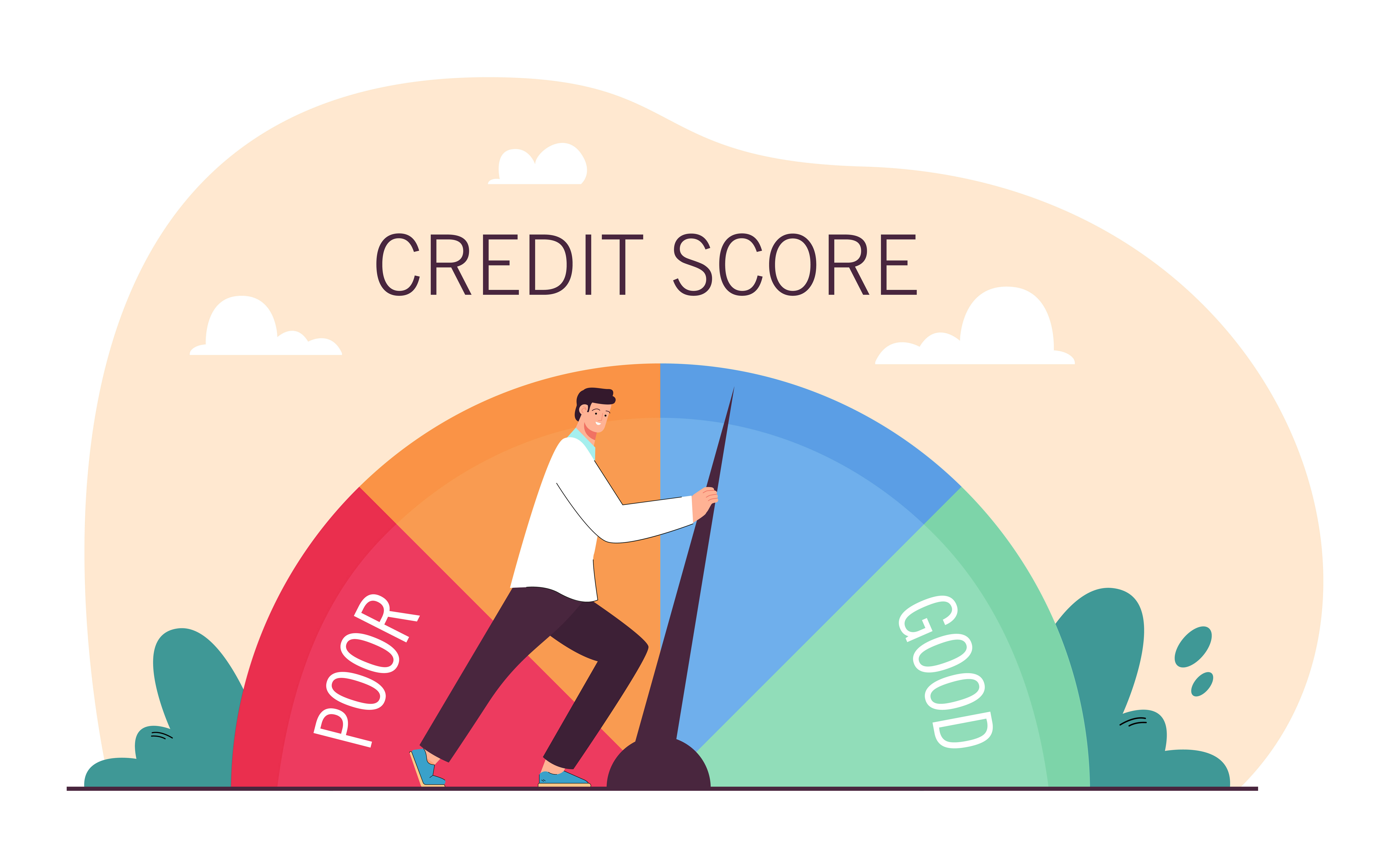
Most of us understand that the higher your credit score is, the better off you will be. Not as many of us know what opens up or becomes cheaper for every tier of credit scoring and what may become possible that wasn’t before. That’s where this breakdown comes in.
First, the tiers
FICO scores can range from 300 to 850 and typically fall into one of five categories. A poor credit rating falls in the 300 to 579 category. A fair credit rating falls in the 580 to 669 category. A good credit rating falls in the 670 to 739 category. A very good credit rating falls in the 740 to 799 category. An exceptional credit rating falls in the 800 or greater category.
At each level you will experience a different financial world.
Poor: 300 to 579
If your credit score falls into this range, you’ll have a hard time getting approved for a loan by a traditional lender. Even if you can get approved, the conditions will likely be unforgiving. Interest rates on personal loans may exceed 30%. If you can obtain a credit card, it will likely have a low limit, high fees, and high interest rates so that it’s costly to carry a balance.
Finding a place to rent is difficult as well. Most landlords check your credit before approving you for a lease. They will often reject people who fall below 580. In addition, many landlords charge two or three months’ rent as a security deposit. Some landlords will only approve someone with a co-signer.
Car insurance premiums will also be higher for those who live in states where credit-based car insurance pricing is allowed. (Credit-based car insurance pricing is allowed in most states.)
Fair: 580 to 669
A borrower at this tier can get approved for a lot of items. Borrowing costs remain high. A car loan in the 580-669 range may have an interest rate between 10% and 15% while a borrower in the “good” tier would likely pay between 5% and 7%. That translates into thousands of dollars in additional interest paid over the life of a 36-month loan for a $20,000 vehicle.
Borrowers with scores in the fair tier will find credit cards easier to obtain, however they will not find premium reward credit cards or those with low rates. Most of the credit cards offered at this tier have annual fees and little in the way of rewards or perks.
Improving from a fair to a good credit rating is one of the biggest financial improvements a consumer can achieve.
Good: 670 to 739
At this tier, consumers have the opportunity to borrow from almost all sources. Interest rates become competitive instead of punitive. Consumers at this tier can qualify for credit cards that offer rewards; consumers can also qualify for better terms on auto loans and in some areas, a mortgage although at the least favorable interest rate.
Landlords in most areas will approve you as well as insurance premiums should return to normal. Consumers now have legitimate choices as opposed to simply what they can get.
Credit Genius was developed around this benchmark. For consumers who have either a thin credit history or a fair credit history, the use of rent reporting and backdating combined with Credit Genius’ artificial intelligence-based credit advice tools provides a method to move consumers across this threshold much more quickly than typical methods.
Very Good: 740 to 799
Low-Risk Borrower (720+): You will be able to qualify for nearly every type of credit product at an attractive price. That includes low interest rate credit cards, auto loans and mortgages. Most premium credit cards that offer rewards such as cash back or travel perks will also be available to you. In addition to saving you money, the low interest rates on loans can save you thousands of dollars over the life of your loan. In addition to better loan options, landlords and insurance companies will view you as a very desirable candidate. This may result in faster approval times and lower premiums. Overall, a high credit score gives you access to many financial opportunities, and puts you in a position where you have considerable bargaining power.
Consumers at this tier have access to premium credit cards. Credit limit increases occur more frequently. Lenders bid for the right to lend to consumers at this tier as opposed to lenders competing with consumers.
Exceptional: 800 and above
Consumers with exceptional credit ratings have access to the best financial products. They have access to the lowest interest rates available on mortgages. They have access to the best available offers on premium credit cards. They have access to the highest available credit limits. Some lenders offer reduced interest rates to consumers whose credit ratings exceed 800.
While the differences between a very good credit rating and an exceptional credit rating are smaller than the differences between earlier tiers, there can still be significant savings for consumers making large purchases such as a home.
What actually moves you between tiers
Payment History is the most important component of your FICO Score and it represents 35%. A single missed payment can decrease your FICO score by anywhere from 50 to 100 points. Making timely payments consistently will be the backbone of building a high credit score.
Credit Utilization accounts for another 30% of your FICO Score. Your goal should be to keep your total balance at less than 30% of your available credit limit. Less than 10% is even better.
The final 35% of your FICO score is composed of the length of your credit history, credit mix, and the number of recent credit inquiries.
For Renters, there is no faster way to build a positive Payment History without adding debt than Rent Reporting. If your rent is not already reported as a credit reference, it is likely the most underutilized tool available to you. Credit reporting tools such as Credit Genius are designed to ensure your rental payments are reported correctly.
The bottom line
A FICO score is not simply a number. It is a number that determines how much you pay for virtually anything that involve borrowed money or financial trust. Improving from Poor to Fair, Fair to Good, or Good to Very Good is an achievement. However, it is also a tangible, measurable reduction in the cost of living.
The difference between a 620 and a 720 is not an abstraction. It will manifest itself in your monthly car loan payment, whether you will get approved for your rental application, your mortgage interest rate, and your insurance premiums. Each point matters. Each on-time payment brings you one step closer.