
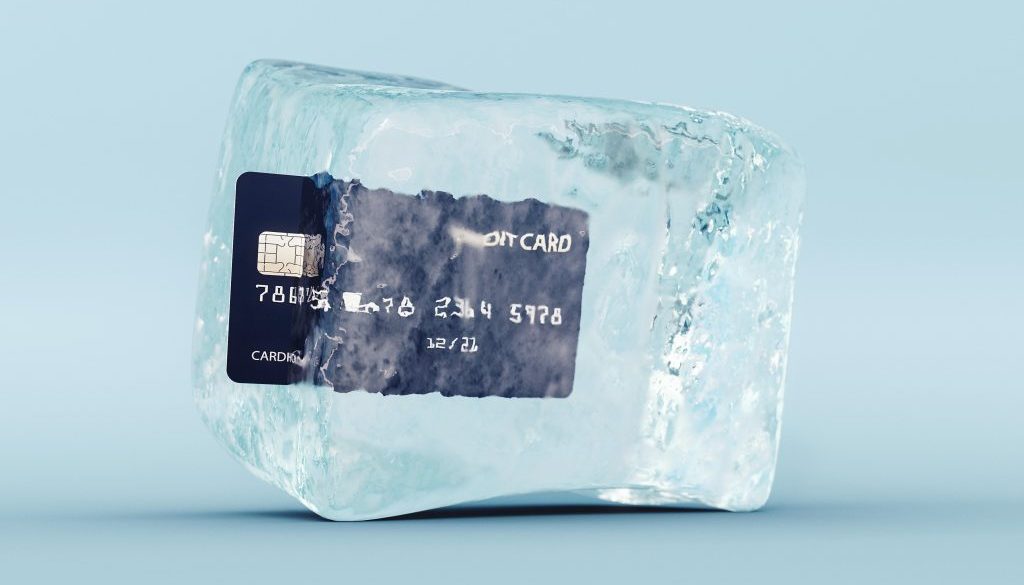
A credit freeze is one of the best tools to protect your identity. But, many people don’t really know what a credit freeze is, how it works, or if they actually need it. This article will help answer these questions.
What a credit freeze actually does
A credit freeze (also referred to as a security freeze) freezes your credit file at a specific credit bureau to prevent new creditors from accessing your credit file. When creditors cannot retrieve your credit report, they can neither open a new account in your name. If someone has your SSN, date of birth, and other personally identifiable information, they cannot obtain new credit in your name because of your credit freeze status.
Here’s what a credit freeze doesn’t do: A credit freeze will not impact your existing accounts. Those existing credit cards you have will continue to function. Those existing loans you have will continue to exist. And, your credit scores will not be impacted because of a freeze. A credit freeze will lock down your credit report making it impossible for anyone (including you) to obtain or have new credit extended on your behalf.
How is a credit freeze different from a fraud alert?
Fraud alerts offer some level of protection but much less than a credit freeze. Fraud alerts require lenders to verify your identity before issuing new credit; however, they may still access your credit file. A fraud alert expires after one year. They can be extended. An extended fraud alert may remain active for up to seven years if the applicant has been an identity theft victim.
Credit freezes are stricter. Unlike fraud alerts which trigger additional verification procedures, credit freezes completely block creditor access to your entire credit file. Therefore, for most individuals who want to protect themselves from identity thieves, a freeze provides better protection than a fraud alert.
How to place a credit freeze
Freezing your file must be done separately at each of the three major reporting agencies. Freezing your file at one reporting agency does not necessarily freeze it at another.
You can initiate a freeze at Experian, TransUnion and Equifax via their respective websites, by telephone, or by sending them a written request. Freezing your file is free under federal law enacted in 2018. To freeze your file, you will need to provide the requested information including your name, address, date of birth, SSN and other identification information. Each reporting agency will provide you with a Personal Identification Number (PIN), or allow you to log into an online account to manage the freeze.
Once initiated via the internet or telephone, a freeze becomes active immediately. You can remove the freeze either partially or completely at any time using the same procedure used to activate the freeze.
When should you actually use a credit freeze
There are certain instances where a credit freeze would make good sense:
If your Social Security number was involved in a recent data breach, placing a freeze right away minimizes the potential that someone could open fraudulent accounts in your name. Data breaches occur so frequently today, it’s a worthwhile exercise to check whether your information has been compromised at haveibeenpwned.com.
If you’ve experienced identity theft one of the first steps you should take besides filing a complaint with the FTC at identitytheft.gov is to put a freeze in place.
If you’re not looking to apply for new credit in the foreseeable future implementing a freeze is an easy no-risk method of protecting yourself. Existing accounts won’t be impacted and your score won’t be impacted either.
If you are older or have a family member who’s likely to never need or obtain new credit again, placing a freeze on their file will be both a simple and efficient protective measure.
When a credit freeze might get in the way
There is really just one major drawback to using a credit freeze; you need to remove the freeze (also called lifting the freeze) before you begin the process to obtain any type of new credit. As such, when you’re ready to purchase a house, car, credit card or rent an apartment you’ll need to temporarily remove the freeze before your lender pulls your credit.
Removing the freeze is relatively easy, however it does require some advance planning. First, find out which of the three bureaus your lender will be using to run your credit and then thaw (remove) that one bureau freeze. You can then instantly “refreeze” that same bureau immediately upon completion of your credit application. The entire process should only take a few minutes.
In addition, there may be other situations you would not normally consider as requiring a credit check. In fact, opening a particular cellular service plan, purchasing certain types of insurance coverage, and obtaining approval through many employer background investigations will also trigger a credit inquiry. Thus, while you may not have anticipated this situation occurring, by temporarily removing the freeze, you can resolve it right away.
What about freezing your children’s credit?
You can place a credit freeze on your minor children’s credit reports. A credit freeze on minors’ files helps prevent unauthorized individuals from committing identity theft to create fraudulent accounts in your minor children’s names. Unfortunately, this form of identity theft happens far too frequently. Identity thieves target minors’ credit reports since they know that their crimes will likely go unnoticed for years.
Placing a freeze on a minor’s credit report is similar to placing a freeze on yours except it involves providing proof of both identity and parent-child relationships. Fortunately, this process is free and well worth taking advantage of if you truly desire to protect yourself with total security.
How Credit Genius fits in
Having access to information about your credit file is the first step to being able to prevent identity theft from causing damage to your credit. Credit Genius offers Experian real-time credit monitoring; this is triggered by either a new account opening or inquiry that occurs on your Experian credit report. Real-time monitoring with Credit Genius will work alongside a credit freeze and provide you with immediate notice if anything abnormal shows up on your credit report.
Early detection of something on your credit report that looks like it could be a problem allows you to take steps to limit the damage as well as dispute any inaccuracies. When used in conjunction with each other (monitoring and a freeze), these two types of protection will protect you in the best possible way.
The bottom line
Credit freezes cost nothing, are temporary and do not negatively affect your credit scores. There is hardly ever a reason not to get a credit freeze in place if you’re not currently looking for new credit. Freezing your credit reports at all three reporting agencies (Experian, Equifax, and TransUnion) typically takes less than 15 minutes. A credit freeze will provide you with effective protection against one of the most commonly committed crimes (identity theft) that causes significant financial harm.
If you’ve never done it before, now would be a good time.