
What Credit Score Do You Need to Rent an Apartment in 2026

When you’re on the verge of starting an apartment search, your credit report is typically one of the first factors a landlord or property manager examines. It may help you spend less time searching for apartments, experience less stress, and face fewer apartment application denials when you know what credit scores most landlords and property managers require and what alternative paths to finding an apartment exist when your credit score does not meet their requirements. There is no universal minimum One of the most important concepts to grasp as you begin researching this subject is that there is no defined minimum credit score required by law to rent an apartment. Mortgage lending has established rules that apply across the country; however, the rental real estate business operates based on the discretion of each landlord and/or property management company. Some small independent landlord who owns just one building might never examine your credit history. On the other hand, some big corporate property management firms (i.e., enterprise community partners) may set a rigid credit score minimum threshold of 650 or higher. That said, industry data provides a good reference point. In general terms, most professionals within the rental housing community, whether it’s a small independent landlord or a large national property management firm, tend to desire prospective tenants whose credit reports reflect a minimum credit score of at least 620 to 650. Additionally, in many major metropolitan areas such as New York City, San Francisco, Boston, and Chicago, landlords and property managers generally set a de facto credit score floor of at least 680 and sometimes higher. What landlords are actually looking at Your credit score is just the starting point. Landlords will pull a full credit report and look for red flags beyond the number itself. Most landlords are concerned about missed or late payments in your recent payment history, especially those that were related to rent or utilities. If there are accounts on your credit report showing missed payments on previous leases or utilities, that will be more of an issue than having a low overall credit score. Collection accounts (especially from former property management companies or landlords) typically disqualify any applicant regardless of their credit score. High credit utilization shows stress with your finances and raises questions about whether you can consistently pay your rent. Eviction records typically show up separately on tenant screening reports other than credit reports and usually raise the largest red flag. What happens if your score is below the threshold It’s possible to have a score lower than what a landlord wants and still qualify. Here are several ways you may be able to increase your chances of approval. Increase your security deposit. Many landlords will allow an applicant with a lower score to approve their application by allowing them to put up more money (two or three months of rent) as a deposit. Show evidence of steady income. The majority of landlords would like to see an income that is two to three times the amount of the monthly rent. If you make much more than twice the amount of the monthly rent, this could help improve your chances of approval. Pay a few months of rent in advance. Some landlords will consider this; this helps offset the risk of a low credit score. Find a cosigner. A cosigner with good credit agrees to be liable for the rent should you fail to pay. It is a big ask of the cosigner, however it is a very popular method to gain approval because your credit is too low. Get letters of recommendation. Letters from prior landlords stating you paid your rent on time during a specific period of time carry great weight, especially if your credit report does not accurately portray how reliable you are as a tenant. How to improve your score before applying If you can afford to spend 30 to 60 days focusing on your credit prior to searching for an apartment, this may have a positive impact on your overall credit score. Credit card debt should be paid down to lower your credit utilization. If you are using more than 30 percent of the available credit on any or all of your credit cards, lowering the outstanding balance to less than 30 percent will likely result in a higher credit score when your accounts are updated (usually around one month after the billing cycle closes) by each credit reporting agency. Any inaccuracies found on your credit report should be disputed with each of the three major credit reporting agencies. An estimated 20 percent of consumers find at least one error in their credit reports. The correction process typically takes no longer than 30 days per credit reporting agency; therefore correcting errors during this time could positively affect your credit score. If you are a current tenant (renter), consider submitting your rental payments to help improve your credit score. If you are making timely payments on your rent but those payments do not appear on your credit report, services such as Credit Genius can report that information to the appropriate credit bureaus. What landlords see when they run your credit Most landlords will use some form of tenant screening service as opposed to pulling directly from Experian, TransUnion, or Equifax. These services will compile a report containing all of the information they have collected about you including: your credit score, payment history, public records, past evictions, and sometimes even income verification. The credit score included in a tenant screening report is likely a VantageScore rather than a FICO score, and it’s possible that the score used by the landlord could come from one bureau instead of all three. Understanding this point is important because it makes clear that there is the possibility of a difference in the credit score a landlord will see versus what your credit monitoring app will show you. There are also many different types of tenant screening services utilizing proprietary scoring systems created exclusively for
The 30 Day Credit Score Boost Plan: What to Do, In What Order, and What to Expect

Thirty days may be insufficient to fully change your credit score. Anybody claiming they can do this for you in thirty days has an agenda and is attempting to sell you something. That said, thirty days should provide enough opportunity to create significant and quantifiable improvements to your credit score, particularly if you’ve previously had no interest in managing your credit and/or have quick fixes waiting to be identified in your current credit report. This is not a collection of general tips; it is a sequential action plan, organized from greatest to least impactful, allowing you to prioritize the actions that will most improve your credit score. Before you start: Pull your credit report You can’t fix something if you don’t know it exists. First, pull your free credit reports from all three bureaus at annualcreditreport.com. What you’re going to look for is three things: errors on your report that shouldn’t be there, credit utilization ratios on your accounts (meaning a large amount of money owed against an account limit), and any negative reporting that will drop off in the near future. This step typically takes 20 minutes and gives you direction on where to put your time and energy. Week one: Fix what is wrong The quickest credit score improvements will likely be achieved by correcting existing errors rather than generating new history. If your report reflects a late payment that was paid on time, a collection account that does not belong to you, or an incorrect amount for a current or past debt, the best thing you can do is dispute the items. Bureaus are required to investigate all disputes within 30 days; therefore, file immediately so the bureau investigation may occur at the same time as the rest of your activities for the month. Correcting one error could result in as many as 40 points added to your score or possibly more depending upon the significance of the error. As you complete your dispute process, verify if your rent payments have been reporting to your credit files. If they are not, using services such as Credit Genius and taking advantage of their “backdate” option allows you to submit months of historical rental payment data into the credit bureaus’ systems prior to the 30-day time limit. Week two: Attack your utilization Credit utilization represents approximately thirty percent (30%) of your overall FICO score. Credit utilization refers to the amount of your available credit being used. The greater the percentage of your credit card balance compared to the maximum limit for each card, the faster your score will improve by reducing those balances. Ideally, credit utilization should be less than thirty percent (30%), although ten percent (10%) is even better. For example, if you have a card with a $1000 credit limit and a $700 balance, then your utilization ratio on that card is seventy percent (70%). Once you reduce your $700 balance to $300, your utilization ratio would now be thirty percent (30%), which could result in a noticeable score improvement when your next account closing date passes. If you are unable to reduce your balances, there is another option. Consider asking for a credit limit increase on your current cards. An increase in your credit limit and the same amount owed on the increased limit reduces your utilization ratio. Many credit card companies provide the opportunity to request an increase through their website. However, prior to making a request to increase your limit, ask whether it would be considered a “hard” or “soft” pull. Week three: Protect your payment history Payment history is the largest portion of your FICO Score (35%) and is the most influential. Months of good credit behavior can be undone by one late or missing payment. In week three we will focus on ensuring no payments slip through the cracks. If you haven’t set up auto-pay for each of your accounts to pay at least the minimum, do so now. Paying the minimum payment ensures protection of your payment history regardless of whether you’re able to pay off the entire balance. Paying an account completely reduces the impact of carrying a balance in comparison to simply paying the minimum. If you have any accounts that are currently delinquent, it is imperative that they become current. When an account that has been delinquent becomes current it stops creating new negative entries and begins to create positive history again. Week four: Add positive history where you can By week four you’ve identified and corrected errors, minimized usage, and maintained your record for paying bills on time. Now that the dust from those steps has settled, you should consider creating new positive information about yourself in your credit report. If there’s an outstanding issue related to the rent reporting process or if you’re still waiting for approval, check the current status of either. If you are currently enrolled through Credit Genius, and it has successfully submitted your request to “backdate” your membership into Experian, then the data is likely showing up on your Experian report by now. If you don’t have any active credit accounts, but would like to create one (and considering a secured credit card is the most low-risk type), make one small charge and pay it off immediately. This will allow you to open a new credit account, with a new positive tradeline that adds no additional liability or risk. What to realistically expect after 30 days The potential for a wide range of results is possible based solely on where you start and what you find when you pull your credit report. Depending on the nature of the error which has been resolved, you may have seen an increase of as much as 20 to 50 points (or more) if the correction of an error occurred. In addition, if you were able to reduce utilization from 70 percent to below 30 percent, an improvement of 20 to 40 points would likely result. However, using Credit Genius to add backdated rent history
How Major Life Events Affect Your Credit Score: Moving, Job Loss, Marriage and More
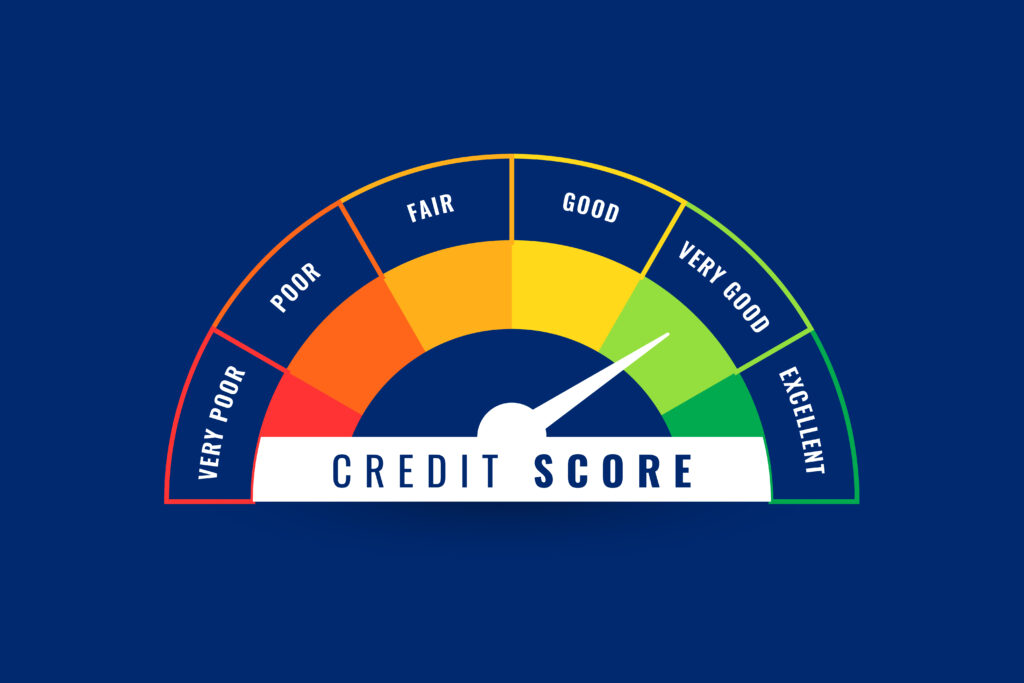
A person’s credit score has no idea they recently got married, lost their job, or moved across the world. The same is true for the financial actions taken due to these events, although it may be in ways you wouldn’t expect. Here’s how big moments in your life impact your credit. Moving to a new city or home You are allowed to move without negatively impacting your credit. A change of address is not a credit action. However, many times, moving leads to a series of financial actions that can negatively impact your credit. For example, if you have to break a lease, check with your landlord to see if they report to credit bureaus. Many landlords do not, however, some do. If an early termination fee is sent to collections because of a broken lease, it may appear on your report and potentially lower your score. When renting a new place, a credit check is commonly done by the landlord. A credit check completed by a landlord is generally considered a soft inquiry. Soft inquiries do not affect your credit score. Some landlords may complete a hard pull. Ask the landlord if this is going to occur before allowing them to complete the inquiry. The process of getting a mortgage (hard inquiries) occurs multiple times, multiple mortgage inquiries in a short time period (usually 14-45 days based on the scoring model), will be treated as one inquiry to account for rate shopping. Each inquiry after that time frame will be treated as separate inquiries. In addition to obtaining new utility accounts when you move, there may be a soft inquiry at most utilities. However, some utilities may perform a hard inquiry. Losing your job Although many people find this surprising, your employment status does not appear on your credit report and therefore it does not directly affect your credit score. However, losing your job may have implications for your credit score. When you lose your job and fail to make your required monthly payments on time (credit cards or loans) your late payments will be submitted to the three primary credit reporting agencies (Equifax, Experian, and TransUnion). A single missed payment can result in a loss of 50 to 100 points of your current credit score. To make on-time payments, you should also keep your utilization ratio for all revolving accounts as low as possible. Your utilization ratio is the amount of available credit that you are using divided by your total available credit. A low utilization ratio is a good method to help protect your credit history. It will also give potential creditors confidence in your ability to use and responsibly manage credit. Since you may need to use your available credit to help cover living expenses, keeping your credit utilization ratio as low as possible may be challenging. Your top concern should be to protect your payment history. During a job loss, your first concern should be to ensure that you continue to meet your monthly financial obligations. Therefore, if you can only make one payment per month, you should prioritize paying the minimum on your credit accounts before making any other type of payment. Additionally, you should contact your creditors to ask about their hardship programs. Creditors may agree to defer payments or temporarily reduce the minimum payment due on your account(s) without reporting a negative event to the credit bureaus. Getting married Marriage will never combine your credit reports. The idea of a “joint” credit score is simply a myth. When you get married, your credit report will remain yours and your spouse’s will remain their credit report. The difference is in the way you make joint financial decisions. When you create a joint credit account (such as a joint credit card or mortgage), how that account is managed will directly affect both of your credit reports. If one partner makes a late payment on a joint credit account, the negative impact to both partners’ credit reports is equal. If you have a large disparity in credit scores with your spouse, you need to know how this will affect a joint loan application. A lender will normally take the lower of the two credit scores when considering your mortgage application. In some instances, the lender may average the two scores. For example, if one spouse has a very low credit score, but the other spouse has a high credit score, the lender will take the lower of the two credit scores. This could also potentially affect the interest rate you qualify for regardless of your own individual credit score. As a credit user, becoming an authorized user on your spouse’s credit card account can be beneficial to the lower scoring partner (as long as the account has been paid on time with minimal use) and allow them to benefit from the other partner’s positive credit history. Getting divorced Divorce has a huge impact on your credit due to what comes after the actual divorce. Joint accounts (credit cards, loans, etc.) remain open until either party formally closes or transfers them. If your ex-spouse is required by a court order to make payments on a joint account and fails to do so, then BOTH parties’ credit will be negatively impacted. The credit reporting agency does not care that there is a divorce decree. They only care if the payment was made. You should close or refinance all joint accounts immediately in the event of a divorce. Regardless of what your divorce agreement states, your name remains on the account and therefore, you are still liable for the account until you remove your name. To prevent a previous spouse’s poor financial choices from affecting your credit rating, you must have your name removed from the account. Having a child Although having a child will not directly impact your credit, the additional financial pressures associated with being a parent may. Reduced income from maternity or paternity leave, increased medical expenses, increased cost of childcare and other increased
Can Backdating Rent Payments Really Boost Your Credit Score? And is it Overnight?

Yes, in some situations. However, this method of boosting your credit score could be one of the quickest and most legitimate ways for some renters. To better understand how this can happen, there’s one thing to remember when trying to build credit as a renter: You’ve likely paid your rent consistently for years. Yet none of those consistent payments are recorded on your credit report, not one of them. At the same time, your friend who financed a car purchase a couple of years ago is now consistently developing good credit without even giving it much thought. Your efforts have been identical; however, the results could not be further apart. It’s not you – the system just wasn’t designed to favor renters. Rent reporting provides a solution to this issue by providing your payment history to the credit bureaus and backdating allows your past payments (from months or years) to be reported instead of starting from zero. So if you have completed the difficult work of making your rent payments on time, you should be rewarded. How much of an improvement could backdating truly provide? If you’ve made on-time rent payments for two years and sign up for rent reporting services which offer backdating for one year, after the credit bureaus receive and review your application (approximately 30-60 days), suddenly that payment history is visible. This is a big change for people with very little credit history. The difference between being able to get a decent credit score and barely qualifying. Payment history is the most important part of a FICO score, approximately 35%. Renters who added their rental payments to their credit file saw an average gain of 60 points according to 2021 TransUnion data. This is much more than just a small jump in your credit score; it is the type of jump that can dramatically change your ability to borrow money and could put you in a better credit category. Who this affects the most Backdating is not a magic solution for everyone. If you already have a good long history (5+ years) of using credit cards and taking out loans, backdating may add some points to your credit score but likely will not change your world. But if you are in any of the following categories, backdating can be a dramatic game-changer: You are in your early twenties and still building credit. You have been renting for two or three years and have always paid your rent on time. Your credit report is nearly empty. Beginning with backdating will establish an immediate history, rather than waiting one additional year to gradually build up history. Your credit history from your home country doesn’t count in the U.S. You are beginning at zero and have been building from there. Using rent reporting allows you to begin using those monthly payments you are already making to help build your history faster. You had an extremely difficult financial time about three years ago. You are now slowly recovering. Although your credit report contains some older negative marks, a steady backdated payment history is going to begin to weigh against those negative marks and that will be important. You’ve simply never heard of this process. This is true for most people. Credit reporting systems don’t publicize their own holes in coverage. The “overnight” part of this process is typically a stretch. “Overnight” is a large exaggeration. On average, processing takes 30 to 60 days. In comparison to credit-building processes (where the common advice is to be patient, as it takes many years) 30-60 days with a possible 60 point increase in your score is virtually “overnight.” It is vital to ensure the backdating is verified. Credit reporting bureaus will not verify unsubstantiated information. Any reputable company will provide some method of verifying your past payment history using such documentation as bank records, lease documents, etc. before submitting your payment history. If a company does not verify your payment history in some manner prior to submitting the information, then that should raise serious red flags. Before you sign up with any service, check the following: How far back will they backdate your payment history? Most companies will allow you to backdate your payment history 12 months. However, there are some companies that will backdate your payment history up to 24 months. As your credit history is generally thinner, the farther back they will backdate your payment history, the more likely you will see a positive impact. Which credit reporting agencies will receive information? Experian, TransUnion and Equifax will not be receiving the same type of information. Will they report late payments as well? There are two types of companies. Companies that only submit a positive payment history, and companies that submit both positive and negative payment histories. Before committing to any company, you need to know what type of company you are committing to. The bottom line For the majority of people, their monthly rent is their largest monthly payment. Before the creation of rent reporting there was no mechanism for you to receive any credit benefit from paying your rent each month. This is no longer the case. Backdating is the process of providing you with credit for your past payment history. It is not necessary to start at zero. Your payment history is already documented. You are merely receiving credit for it.