
Credit Score Myths That Are Quietly Costing You Points Right Now
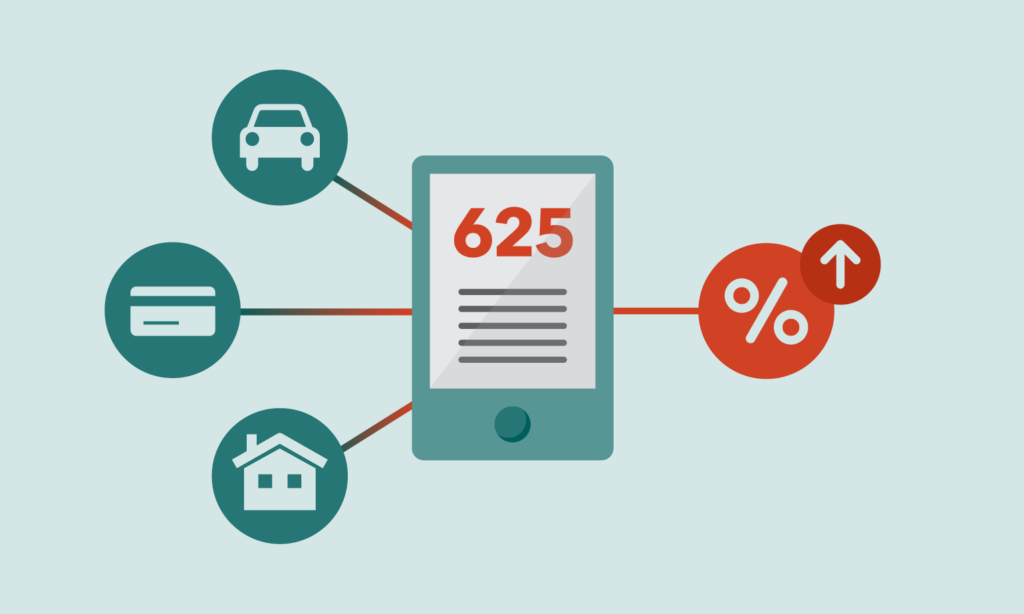
Bad credit advice will spread further than good credit advice because it is past down generationally and discussed in groups through social media etc. But acting on the credit myths above does not help your credit score – most often it will hurt it. Below is a list of four of the most common credit myths that are believed today. I have also included the truth about each myth as well as some recommendations for how you can avoid spreading these myths. Myth 1: Carrying a small balance on your credit card helps your score This is probably the most damaging of all personal finance myths. This belief stems from the misconception that having a small amount of debt indicates that you are proactively utilizing your credit. On the contrary, having even a small amount of debt on your card costs you money in interest and has NO positive effect on your credit score. In reality, what matters is that your bank reports that you utilize your card (i.e., you make a purchase) AND that the amount reported to the bureau is relatively low compared to your credit limits. To create these conditions simply buy something on occasion and then pay off the entire amount prior to the end of the billing cycle. If your bank reports $0.00, and your utilization ratio is 0%, then you have created the optimal environment for that particular element of your credit score. Paying interest on your credit card for the sole purpose of improving your credit score is essentially foolishness! Myth 2: Checking your own credit score lowers it Monitoring your own credit is completely the opposite of what individuals should be doing. Checking your own credit score or reviewing your credit report constitutes a “soft” inquiry. A soft inquiry will NOT harm your credit score in ANY WAY. Lenders see soft inquiries as invisible and will NOT incorporate them into any of their various scoring models. Hard inquiries occur when a lender reviews your credit profile in order to evaluate your creditworthiness for a loan or line of credit. While a hard inquiry WILL cause a slight temporary reduction in your credit score, you will never incur a hard inquiry while merely monitoring your own credit. In fact, reviewing your credit report frequently will likely become one of the healthiest routines you adopt. Myth 3: Closing old credit cards improves your score While this might seem logical, closing an old account will generally hurt your score in two ways. First, closing an old account will decrease your overall available credit and increase your utilization ratio if you continue to carry balances on other cards. Secondly, closing an old account will reduce your average length of accounts established which also counts towards your credit score. The longer the average age of your accounts, the higher the likelihood of you maintaining excellent credit. Closing an old account with an annual fee you wish to avoid and cannot waive may temporarily lower your credit score slightly. Closing a fee-free account that you have held for years is rarely advisable due to its potential negative effects on your credit score. Close the card if necessary; leave the account open otherwise. Myth 4: You only have one credit score You don’t have just one credit score. There are literally dozens of scores currently being used by various lending institutions around the world, each based upon a unique version of either FICO or VantageScore. Various lenders will choose different models for different types of loans/products. One major consequence of this myth is that consumers often confuse or are disappointed when their credit score appears differently on their mobile app vs. what a lender communicates about their score. Consumers are usually comparing apples to oranges because they’re viewing different versions/models. Focus on trends and behavior patterns rather than obsessing over the numerical value. Myth 5: Income affects your credit score Your income is not included in your credit report. As such it will have no influence on your Credit Score. Someone with an annual income of $30,000 may have a credit score of 800; someone with an annual income of $200,000 may have a credit score of 550. The important factor is how well you utilize your available credit, as opposed to how high your income is. The five major factors that affect your credit score include payment history, credit utilization, age of accounts, type of credit (credit mix) and number of inquiries made about you. While income plays a role in determining whether or not a lender will offer you a loan, this decision process is independent of your credit score. Myth 6: Paying off a collection account removes it from your report Many people believe that if they settle with a collector, the collection account will disappear from their credit report. While it is possible for a paid collection to be removed from your credit report, it is unlikely. Typically, once you pay off a collection account, it remains on your report for 7 years from the date of first delinquency. What does change is that it will show as “paid” instead of “unpaid,” which might look slightly better to some lenders but still will remain on your credit report. However, there is a way to possibly get a collection account removed. Sometimes collectors will offer what is called a “pay-for-delete agreement”. There are certain times when you can make an agreement with a collections company that they will take the account off of your credit reports if you make a payment for the debt owed. However most do not have the authority to take accounts off of your credit reports. Additionally, many creditors will automatically mark a collection account as “paid” after 180 days, even if you don’t request removal. As part of newer FICO credit scoring models, paid collections will have less of an impact on your credit score than unpaid collections. Furthermore, medical collections below $500 are now exempted from inclusion in your
What Is a Credit Freeze and When Should You Use One to Protect Your Score
A credit freeze is one of the best tools to protect your identity. But, many people don’t really know what a credit freeze is, how it works, or if they actually need it. This article will help answer these questions. What a credit freeze actually does A credit freeze (also referred to as a security freeze) freezes your credit file at a specific credit bureau to prevent new creditors from accessing your credit file. When creditors cannot retrieve your credit report, they can neither open a new account in your name. If someone has your SSN, date of birth, and other personally identifiable information, they cannot obtain new credit in your name because of your credit freeze status. Here’s what a credit freeze doesn’t do: A credit freeze will not impact your existing accounts. Those existing credit cards you have will continue to function. Those existing loans you have will continue to exist. And, your credit scores will not be impacted because of a freeze. A credit freeze will lock down your credit report making it impossible for anyone (including you) to obtain or have new credit extended on your behalf. How is a credit freeze different from a fraud alert? Fraud alerts offer some level of protection but much less than a credit freeze. Fraud alerts require lenders to verify your identity before issuing new credit; however, they may still access your credit file. A fraud alert expires after one year. They can be extended. An extended fraud alert may remain active for up to seven years if the applicant has been an identity theft victim. Credit freezes are stricter. Unlike fraud alerts which trigger additional verification procedures, credit freezes completely block creditor access to your entire credit file. Therefore, for most individuals who want to protect themselves from identity thieves, a freeze provides better protection than a fraud alert. How to place a credit freeze Freezing your file must be done separately at each of the three major reporting agencies. Freezing your file at one reporting agency does not necessarily freeze it at another. You can initiate a freeze at Experian, TransUnion and Equifax via their respective websites, by telephone, or by sending them a written request. Freezing your file is free under federal law enacted in 2018. To freeze your file, you will need to provide the requested information including your name, address, date of birth, SSN and other identification information. Each reporting agency will provide you with a Personal Identification Number (PIN), or allow you to log into an online account to manage the freeze. Once initiated via the internet or telephone, a freeze becomes active immediately. You can remove the freeze either partially or completely at any time using the same procedure used to activate the freeze. When should you actually use a credit freeze There are certain instances where a credit freeze would make good sense: If your Social Security number was involved in a recent data breach, placing a freeze right away minimizes the potential that someone could open fraudulent accounts in your name. Data breaches occur so frequently today, it’s a worthwhile exercise to check whether your information has been compromised at haveibeenpwned.com. If you’ve experienced identity theft one of the first steps you should take besides filing a complaint with the FTC at identitytheft.gov is to put a freeze in place. If you’re not looking to apply for new credit in the foreseeable future implementing a freeze is an easy no-risk method of protecting yourself. Existing accounts won’t be impacted and your score won’t be impacted either. If you are older or have a family member who’s likely to never need or obtain new credit again, placing a freeze on their file will be both a simple and efficient protective measure. When a credit freeze might get in the way There is really just one major drawback to using a credit freeze; you need to remove the freeze (also called lifting the freeze) before you begin the process to obtain any type of new credit. As such, when you’re ready to purchase a house, car, credit card or rent an apartment you’ll need to temporarily remove the freeze before your lender pulls your credit. Removing the freeze is relatively easy, however it does require some advance planning. First, find out which of the three bureaus your lender will be using to run your credit and then thaw (remove) that one bureau freeze. You can then instantly “refreeze” that same bureau immediately upon completion of your credit application. The entire process should only take a few minutes. In addition, there may be other situations you would not normally consider as requiring a credit check. In fact, opening a particular cellular service plan, purchasing certain types of insurance coverage, and obtaining approval through many employer background investigations will also trigger a credit inquiry. Thus, while you may not have anticipated this situation occurring, by temporarily removing the freeze, you can resolve it right away. What about freezing your children’s credit? You can place a credit freeze on your minor children’s credit reports. A credit freeze on minors’ files helps prevent unauthorized individuals from committing identity theft to create fraudulent accounts in your minor children’s names. Unfortunately, this form of identity theft happens far too frequently. Identity thieves target minors’ credit reports since they know that their crimes will likely go unnoticed for years. Placing a freeze on a minor’s credit report is similar to placing a freeze on yours except it involves providing proof of both identity and parent-child relationships. Fortunately, this process is free and well worth taking advantage of if you truly desire to protect yourself with total security. How Credit Genius fits in Having access to information about your credit file is the first step to being able to prevent identity theft from causing damage to your credit. Credit Genius offers Experian real-time credit monitoring; this is triggered by either a new account opening or inquiry that occurs on
The 30 Day Credit Score Boost Plan: What to Do, In What Order, and What to Expect
Thirty days may be insufficient to fully change your credit score. Anybody claiming they can do this for you in thirty days has an agenda and is attempting to sell you something. That said, thirty days should provide enough opportunity to create significant and quantifiable improvements to your credit score, particularly if you’ve previously had no interest in managing your credit and/or have quick fixes waiting to be identified in your current credit report. This is not a collection of general tips; it is a sequential action plan, organized from greatest to least impactful, allowing you to prioritize the actions that will most improve your credit score. Before you start: Pull your credit report You can’t fix something if you don’t know it exists. First, pull your free credit reports from all three bureaus at annualcreditreport.com. What you’re going to look for is three things: errors on your report that shouldn’t be there, credit utilization ratios on your accounts (meaning a large amount of money owed against an account limit), and any negative reporting that will drop off in the near future. This step typically takes 20 minutes and gives you direction on where to put your time and energy. Week one: Fix what is wrong The quickest credit score improvements will likely be achieved by correcting existing errors rather than generating new history. If your report reflects a late payment that was paid on time, a collection account that does not belong to you, or an incorrect amount for a current or past debt, the best thing you can do is dispute the items. Bureaus are required to investigate all disputes within 30 days; therefore, file immediately so the bureau investigation may occur at the same time as the rest of your activities for the month. Correcting one error could result in as many as 40 points added to your score or possibly more depending upon the significance of the error. As you complete your dispute process, verify if your rent payments have been reporting to your credit files. If they are not, using services such as Credit Genius and taking advantage of their “backdate” option allows you to submit months of historical rental payment data into the credit bureaus’ systems prior to the 30-day time limit. Week two: Attack your utilization Credit utilization represents approximately thirty percent (30%) of your overall FICO score. Credit utilization refers to the amount of your available credit being used. The greater the percentage of your credit card balance compared to the maximum limit for each card, the faster your score will improve by reducing those balances. Ideally, credit utilization should be less than thirty percent (30%), although ten percent (10%) is even better. For example, if you have a card with a $1000 credit limit and a $700 balance, then your utilization ratio on that card is seventy percent (70%). Once you reduce your $700 balance to $300, your utilization ratio would now be thirty percent (30%), which could result in a noticeable score improvement when your next account closing date passes. If you are unable to reduce your balances, there is another option. Consider asking for a credit limit increase on your current cards. An increase in your credit limit and the same amount owed on the increased limit reduces your utilization ratio. Many credit card companies provide the opportunity to request an increase through their website. However, prior to making a request to increase your limit, ask whether it would be considered a “hard” or “soft” pull. Week three: Protect your payment history Payment history is the largest portion of your FICO Score (35%) and is the most influential. Months of good credit behavior can be undone by one late or missing payment. In week three we will focus on ensuring no payments slip through the cracks. If you haven’t set up auto-pay for each of your accounts to pay at least the minimum, do so now. Paying the minimum payment ensures protection of your payment history regardless of whether you’re able to pay off the entire balance. Paying an account completely reduces the impact of carrying a balance in comparison to simply paying the minimum. If you have any accounts that are currently delinquent, it is imperative that they become current. When an account that has been delinquent becomes current it stops creating new negative entries and begins to create positive history again. Week four: Add positive history where you can By week four you’ve identified and corrected errors, minimized usage, and maintained your record for paying bills on time. Now that the dust from those steps has settled, you should consider creating new positive information about yourself in your credit report. If there’s an outstanding issue related to the rent reporting process or if you’re still waiting for approval, check the current status of either. If you are currently enrolled through Credit Genius, and it has successfully submitted your request to “backdate” your membership into Experian, then the data is likely showing up on your Experian report by now. If you don’t have any active credit accounts, but would like to create one (and considering a secured credit card is the most low-risk type), make one small charge and pay it off immediately. This will allow you to open a new credit account, with a new positive tradeline that adds no additional liability or risk. What to realistically expect after 30 days The potential for a wide range of results is possible based solely on where you start and what you find when you pull your credit report. Depending on the nature of the error which has been resolved, you may have seen an increase of as much as 20 to 50 points (or more) if the correction of an error occurred. In addition, if you were able to reduce utilization from 70 percent to below 30 percent, an improvement of 20 to 40 points would likely result. However, using Credit Genius to add backdated rent history
How Major Life Events Affect Your Credit Score: Moving, Job Loss, Marriage and More
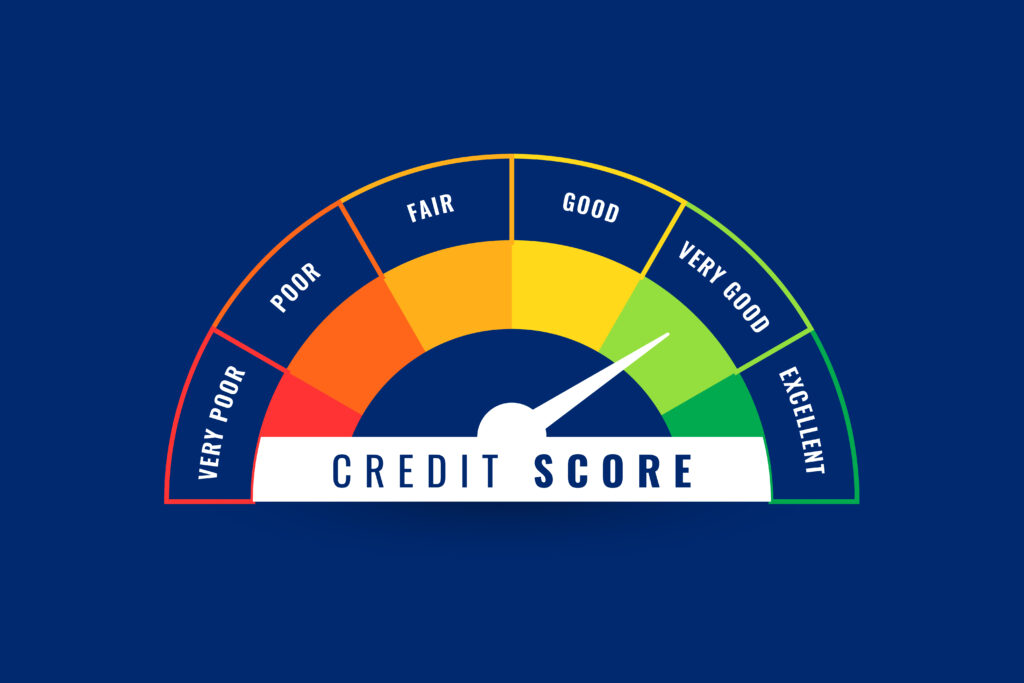
A person’s credit score has no idea they recently got married, lost their job, or moved across the world. The same is true for the financial actions taken due to these events, although it may be in ways you wouldn’t expect. Here’s how big moments in your life impact your credit. Moving to a new city or home You are allowed to move without negatively impacting your credit. A change of address is not a credit action. However, many times, moving leads to a series of financial actions that can negatively impact your credit. For example, if you have to break a lease, check with your landlord to see if they report to credit bureaus. Many landlords do not, however, some do. If an early termination fee is sent to collections because of a broken lease, it may appear on your report and potentially lower your score. When renting a new place, a credit check is commonly done by the landlord. A credit check completed by a landlord is generally considered a soft inquiry. Soft inquiries do not affect your credit score. Some landlords may complete a hard pull. Ask the landlord if this is going to occur before allowing them to complete the inquiry. The process of getting a mortgage (hard inquiries) occurs multiple times, multiple mortgage inquiries in a short time period (usually 14-45 days based on the scoring model), will be treated as one inquiry to account for rate shopping. Each inquiry after that time frame will be treated as separate inquiries. In addition to obtaining new utility accounts when you move, there may be a soft inquiry at most utilities. However, some utilities may perform a hard inquiry. Losing your job Although many people find this surprising, your employment status does not appear on your credit report and therefore it does not directly affect your credit score. However, losing your job may have implications for your credit score. When you lose your job and fail to make your required monthly payments on time (credit cards or loans) your late payments will be submitted to the three primary credit reporting agencies (Equifax, Experian, and TransUnion). A single missed payment can result in a loss of 50 to 100 points of your current credit score. To make on-time payments, you should also keep your utilization ratio for all revolving accounts as low as possible. Your utilization ratio is the amount of available credit that you are using divided by your total available credit. A low utilization ratio is a good method to help protect your credit history. It will also give potential creditors confidence in your ability to use and responsibly manage credit. Since you may need to use your available credit to help cover living expenses, keeping your credit utilization ratio as low as possible may be challenging. Your top concern should be to protect your payment history. During a job loss, your first concern should be to ensure that you continue to meet your monthly financial obligations. Therefore, if you can only make one payment per month, you should prioritize paying the minimum on your credit accounts before making any other type of payment. Additionally, you should contact your creditors to ask about their hardship programs. Creditors may agree to defer payments or temporarily reduce the minimum payment due on your account(s) without reporting a negative event to the credit bureaus. Getting married Marriage will never combine your credit reports. The idea of a “joint” credit score is simply a myth. When you get married, your credit report will remain yours and your spouse’s will remain their credit report. The difference is in the way you make joint financial decisions. When you create a joint credit account (such as a joint credit card or mortgage), how that account is managed will directly affect both of your credit reports. If one partner makes a late payment on a joint credit account, the negative impact to both partners’ credit reports is equal. If you have a large disparity in credit scores with your spouse, you need to know how this will affect a joint loan application. A lender will normally take the lower of the two credit scores when considering your mortgage application. In some instances, the lender may average the two scores. For example, if one spouse has a very low credit score, but the other spouse has a high credit score, the lender will take the lower of the two credit scores. This could also potentially affect the interest rate you qualify for regardless of your own individual credit score. As a credit user, becoming an authorized user on your spouse’s credit card account can be beneficial to the lower scoring partner (as long as the account has been paid on time with minimal use) and allow them to benefit from the other partner’s positive credit history. Getting divorced Divorce has a huge impact on your credit due to what comes after the actual divorce. Joint accounts (credit cards, loans, etc.) remain open until either party formally closes or transfers them. If your ex-spouse is required by a court order to make payments on a joint account and fails to do so, then BOTH parties’ credit will be negatively impacted. The credit reporting agency does not care that there is a divorce decree. They only care if the payment was made. You should close or refinance all joint accounts immediately in the event of a divorce. Regardless of what your divorce agreement states, your name remains on the account and therefore, you are still liable for the account until you remove your name. To prevent a previous spouse’s poor financial choices from affecting your credit rating, you must have your name removed from the account. Having a child Although having a child will not directly impact your credit, the additional financial pressures associated with being a parent may. Reduced income from maternity or paternity leave, increased medical expenses, increased cost of childcare and other increased
How to Dispute an Error on Your Credit Report and Actually Win
Many people find out they have errors on their credit report. Millions of people in America have errors on their credit report each year. These can include outdated information such as old balances. It could also be an account that you do not own. The Federal Trade Commission (FTC) estimates that one in five people will see an error on their credit report. This means that errors on credit reports are common. Even though errors on your credit report may be minor, there can be consequences. These consequences can be significant. Errors on your credit report can cost you thousands of dollars in interest or even keep you from getting a loan. Fortunately, there are some protections for consumers regarding their credit reports. If you go through the process correctly, disputing errors on your credit report could save you money, preserve your credit history and may provide better loan terms. Follow the directions as shown below to make sure all information on your credit report is accurate. Step one: Get your credit reports Before disputing anything you will need to know what is appearing on your reports. The three primary credit reporting agencies – Experian, TransUnion, and Equifax, are all mandated to provide you with a free credit report at least once per year. All three can be accessed via AnnualCreditReport.com, which is the only website authorized by the federal government to provide free credit reports. Avoid using any website that claims to offer you a free credit report as they typically require a paid subscription. Obtain your reports from all three reporting agencies. Errors in one agency do not automatically show up on another. However, the same error may be reported by multiple agencies based on how the information was provided. Step two: Identify the error clearly Review all three of your credit reports for errors in detail. Compare these reports to the records you have. Common errors include: accounts you do not recognize, incorrect late payments, duplicate accounts, accounts of a person with a similar last name, incorrect personal information (wrong address, wrong birthdate), accounts that should be removed due to the seven-year reporting period or statute of limitations. When you find an error, clearly document it. Take note of the exact account number on the report, the credit bureau that has the account listed, and specifically what is incorrect. Be as accurate as possible. Bureaus will disregard vague complaints. However, if you can clearly explain and document the issue they will need to respond. Step three: Gather your evidence Evidence is needed to support a dispute. Without documentation to support your claim, a reporting agency may easily dismiss your dispute. Before filing your dispute, collect evidence to support your claim. For example, if there is a late payment on your account and you believe you made timely payments, obtain documentation to support your claim. Pull your banking statements or confirmation from the lender for the months during which the alleged late payments occurred. If an account does not belong to you, clearly state this and document any evidence that supports your identification. If an account is past the statute of limitations in your state or past the seven years accounts are allowed to be reported, note the date it should have been removed. The better your documentation, the less likely the reporting agency will dismiss your claim simply based on the claim of the creditor. Step four: File your dispute You can submit your dispute in several ways: online, by phone, and by mail. Submitting your dispute online is usually faster than mailing your dispute. However, there are some benefits to mailing your dispute. When you mail your dispute you can control how your dispute is received and you also create a paper trail of your communications. Each reporting agency has its own method for handling disputes. You can file your dispute at Experian.com, TransUnion.com, and Equifax.com. Although there is only one error, if that error is listed on all three reports, you must file a dispute with each agency separately. These three credit bureaus do not have a system to share disputes. You need to file a dispute that is clear about the reason you believe there is an error on the report, how you know it is an error, and what you think is the right information. Include copies of documents supporting your dispute. Retain original copies for yourself. You can also dispute the incorrect information directly with the company that provided the inaccurate information. These companies are called “data furnishers.” Under the Fair Credit Reporting Act (FCRA), data furnishers are obligated to investigate disputes and correct incorrect information. Step five: Wait and follow up After you file a dispute, each reporting agency has 30 days to conduct an investigation into your dispute. They will contact the data furnisher regarding the disputed information, who must review the information and respond. If the data furnisher cannot verify the information, the information must be removed or corrected. You will be sent a written notification stating the results of the dispute. If the dispute was resolved in your favor, the reporting agency will provide you with a free updated version of your report. If the dispute was denied, and you still believe there are errors in your report, you have several options. You can add a statement explaining the disputed item to your credit report. This does not remove the entry from your report, but you can add your own explanation of the disputed item, and the lender will see both entries. You can also re-file your dispute with further evidence, submit a complaint to the Consumer Financial Protection Bureau (CFPB) at ConsumerFinance.gov, or seek assistance from a consumer law attorney, many of which work on credit disputes on a contingency fee basis. Common mistakes that kill disputes Filing a blanket dispute of multiple errors at the same time is one of the most common mistakes consumers make. Reporting agencies view blanket disputes as a form of
Why Your Credit Score Is Different on Every App You Check
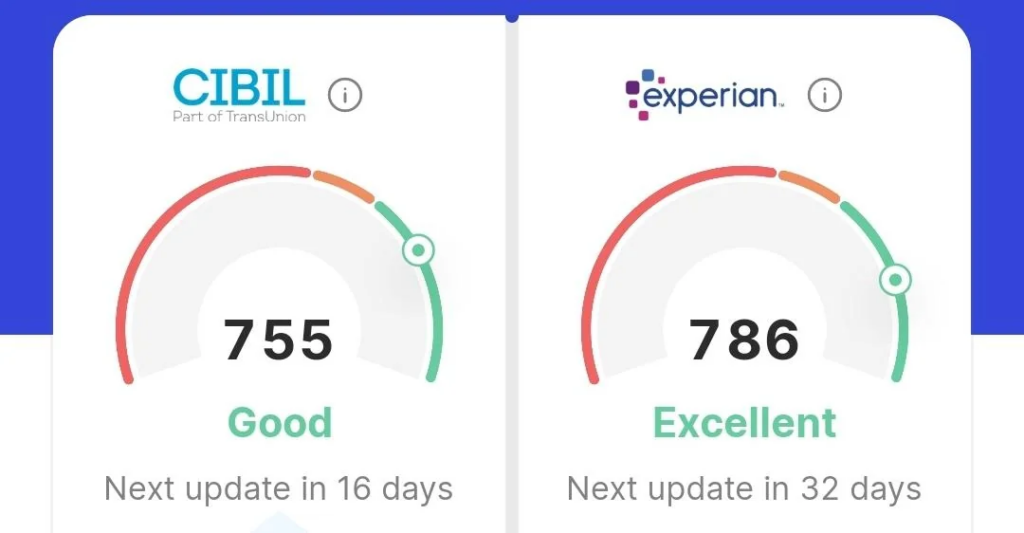
Your credit score is 712 when you check it on one app; 698 on another; 724 at your bank; 681 when you apply for a car loan at a dealer. This creates confusion. “Is the system messed up? Are they lying to me?” Nobody is misleading you. However, the system does create confusion. Once you understand how this happens, you will have less stress and fewer poor financial decisions. There is no single credit score The surprise for many people is that there is no one credit score that all lenders use. In addition to the FICO score, there are dozens of active credit scoring models in the U.S. and each lender uses a different model based on what they are assessing you for. The FICO score is the best-known credit scoring model. Developed by the Fair Isaac Corporation, it also has multiple versions. FICO Score 8 is the most commonly applied version of the FICO score. However, there is a newer version called FICO Score 9 which has been adopted by some of the larger lenders. Industry-specific versions include FICO Auto Score 8 (auto loan) and FICO Bankcard Score 8 (credit card). Mortgage lenders use FICO Score 2, 4 and 5. VantageScore is another model developed by the three major credit bureaus. VantageScore 3.0 and 4.0 are the versions of VantageScore used by many of the free credit monitoring apps and services. Each of the above models evaluates the same credit data differently. Therefore, even if you are using the exact same credit file, you could receive a different number as a result of the different models used. Three bureaus, three different files Another reason you may have different credit scores is because there are three separate credit bureaus (Experian, TransUnion, and Equifax) and each maintains its own independent credit file on you. They do not share information automatically. When a lender or credit card company reports your payment history, they may report to all three credit bureaus, two of them, or just one. Accounts on your credit file may show up on one of your credit bureau reports, but not on the others. For example, an account opened in January may show up on Experian before it appears on TransUnion. Since the underlying data is different at each of the three credit bureaus, and since each of the credit models evaluate the data differently, the resulting credit score at each credit bureau will typically differ. And, in some cases, the difference will be very significant (i.e., a 30-point or 40-point difference). Why free apps often show you a different score than lenders see Most of the free credit monitoring apps use VantageScore 3.0. VantageScore 3.0 is a perfectly good credit scoring model and is very useful for tracking your overall credit health. Most major lenders do not use VantageScore to make lending decisions. Instead, when an applicant applies for a home mortgage, they will usually obtain FICO Score 2 from Experian, FICO Score 4 from TransUnion and FICO Score 5 from Equifax. When making the decision on whether to lend, they will frequently take the middle score. None of those are the scores that were shown to you on your free app. This is why people are often shocked when they apply for a loan and the lender uses a significantly different credit score than the one they thought would be used. The number shown on your app was legitimate. It was simply not the same number that the lender saw. Which score should you actually care about? That depends. If you are simply tracking your credit health over time, any consistently scored model is sufficient. Trends are more important than actual numbers. If your VantageScore increases from 640 to 700 over a period of 6 months, it is safe to say that your FICO scores are improving as well. If you are planning to apply for a mortgage, then check your FICO scores. You can view your FICO scores at MyFICO.com. Knowing which FICO versions the mortgage lenders use and viewing the specific FICO scores prior to applying will give you a much better idea of what the lender will see. FICO Auto Score versions are used for auto loans. FICO Bankcard scores are used for credit cards. FICO 8 is the most widely used across lenders for general purposes. How Credit Genius approaches this Credit Genius uses real-time Experian credit monitoring. This will give you access to an Experian report (one of the three major reporting agencies) and an Experian credit score. The AI-based credit assistant within Credit Genius allows you to see both your current Experian score as well as the actions most likely to impact that score, based on what is reported in your Experian file. Understand that different versions of your score are caused by different models and different reporting bureaus. The next step is to identify the factors affecting your score across all bureaus. Credit Genius offers this understanding. The bottom line Your scores are not manipulated by the creditors or the bureaus. Instead, your scores vary because there is no single standard. There are multiple scoring models, three separate bureaus, and multiple creditors using their own selection of bureau data. Your responsibility is not to memorize all of the various scoring models. Your responsibility is to determine which version of your score is relevant to the creditor’s decision regarding lending to you. Additionally, your responsibility is to develop the habits and behaviors that positively impact all versions of your credit score. Pay your bills on time. Maintain low utilization. Avoid opening unnecessary accounts. Document your rental payments. These actions positively affect every version of your credit score because they positively affect the common data upon which every version of your credit score is calculated.
How to Build Credit in the US as an Immigrant or New Resident: A Practical Guide
Perhaps the least-discussed challenge of immigrating to the United States is beginning with no credit history. Your previous U.S. financial experience means nothing. Whether you paid off a mortgage perfectly, maintained a spotless payment record in your home country, or had a high credit score (no matter what was used), none of that is recorded in the U.S. by American credit agencies. You are not starting from a negative credit history. You are starting from nothing. And when it comes to the U.S., invisible is almost just as difficult to deal with as bad credit. Why your home country credit history does not transfer In the United States, there are independent credit bureaus collecting information from U.S.-based lenders, landlords, and service providers. These agencies (Experian, TransUnion, and Equifax) cannot draw payment history from a bank in a different country. Most international financial organizations do not have a relationship with any of the three major U.S. credit agencies. There are some limited exceptions. A few banks have programs in place for certain nationalities that allow for partial transfer of a credit history. However, for the majority of new residents, the starting point remains the same: no account = no report = no credit score. The catch-22 new residents face The typical credit Catch-22 is difficult enough for virtually everyone. But new residents are uniquely challenged. In order to obtain a credit card, you need a credit history. In order to establish a credit history, you need to obtain a credit card. In order to rent an apartment without a significant security deposit, you need a credit score. In order to receive a credit score, you need open accounts. For many new residents, obtaining a Social Security Number (SSN) is also delayed. Many traditional credit products will not allow you to apply for credit until you have obtained an SSN. Fortunately, the options have become much clearer for new residents. There are now multiple practical methods to begin establishing a U.S. credit history as a new resident, some of which do not even require an SSN. Start with rent reporting As a new resident, if you are currently renting, then you are already making the single largest monthly payment that most people ever make. This may be the quickest route to begin building a U.S. credit history for new residents since you don’t necessarily need a credit card, a loan, or an existing banking relationship with a U.S. bank. Many rent reporting companies, such as Credit Genius, will report your monthly rental payments to the credit bureaus. Credit bureaus consider these payments recurring obligations on your credit history. Credit Genius accepts an Individual Taxpayer Identification Number (ITIN) instead of an SSN to provide these services to new residents who have not yet received their SSN. The feature that allows Credit Genius to “backdate” reports is particularly useful for new residents. As long as you have made timely rental payments for several months or more than a year, those payments can be reported immediately upon enrollment. Therefore, you will be able to create an initial foundation for your credit history instantly, and not from scratch. Apply for an ITIN if you do not have an SSN A taxpayer identification number, known as an ITIN, is assigned to you by the Internal Revenue Service and can be used instead of an SSN for many financial applications. Obtaining an ITIN is a relatively simple process that does not require either citizenship or residency status. Having an ITIN provides you with greater access to additional credit products and financial services in the U.S. Whether you are working towards receiving an SSN or whether you continue to use the ITIN, the two can replace each other for most purposes. However, using an ITIN during this period will keep you moving forward, rather than waiting. Open a secured credit card Secured cards require a cash deposit (that becomes your credit limit)Since the risk to lenders is low, these cards are often available to people with no U.S. credit history, including those who have an ITIN rather than an SSN. You build payment history on your credit file over time using a secured card for small regular purchases and paying off the balance in full each month. Keep utilization low and do not carry a balance. The goal is record-keeping — not spending. Look into credit builder loans Credit unions and community banks may offer credit builder loans specifically designed for people with no credit history. As with secured cards, the risk to the lender is minimal because the money is held in a locked account until the loan is paid off. Monthly payments are reported to the bureaus and build your history as you go. These products are worth exploring if you want to build a mix of credit types on your file, which becomes more important once you have a score and are looking to strengthen it further. Use Nova Credit if your country is covered Nova Credit is a service that translates credit history from certain countries into a format U.S. lenders can use. Currently, it supports credit reports from only a limited number of countries including Mexico, India, Australia, Canada, the U.K., and several others. If your home country is on the list, it’s worth checking whether the lender or landlord you are working with accepts Nova Credit reports. This service isn’t available in all countries, nor for all nationalities; but for those that it is, it will be able to help create a foundation. What to prioritize in your first 12 months Your first year is about getting a file established and getting your first score. Begin with rent reporting through a service such as Credit Genius the moment you have a lease in place. Add a secured card or credit builder loan once you have an ITIN or SSN. Pay everything on time, every month, without exception. Check your credit report frequently at AnnualCreditReport.com to make sure your accounts are reporting correctly.
What Does a Good Credit Score Actually Get You? A Tier by Tier Breakdown
Most of us understand that the higher your credit score is, the better off you will be. Not as many of us know what opens up or becomes cheaper for every tier of credit scoring and what may become possible that wasn’t before. That’s where this breakdown comes in. First, the tiers FICO scores can range from 300 to 850 and typically fall into one of five categories. A poor credit rating falls in the 300 to 579 category. A fair credit rating falls in the 580 to 669 category. A good credit rating falls in the 670 to 739 category. A very good credit rating falls in the 740 to 799 category. An exceptional credit rating falls in the 800 or greater category. At each level you will experience a different financial world. Poor: 300 to 579 If your credit score falls into this range, you’ll have a hard time getting approved for a loan by a traditional lender. Even if you can get approved, the conditions will likely be unforgiving. Interest rates on personal loans may exceed 30%. If you can obtain a credit card, it will likely have a low limit, high fees, and high interest rates so that it’s costly to carry a balance. Finding a place to rent is difficult as well. Most landlords check your credit before approving you for a lease. They will often reject people who fall below 580. In addition, many landlords charge two or three months’ rent as a security deposit. Some landlords will only approve someone with a co-signer. Car insurance premiums will also be higher for those who live in states where credit-based car insurance pricing is allowed. (Credit-based car insurance pricing is allowed in most states.) Fair: 580 to 669 A borrower at this tier can get approved for a lot of items. Borrowing costs remain high. A car loan in the 580-669 range may have an interest rate between 10% and 15% while a borrower in the “good” tier would likely pay between 5% and 7%. That translates into thousands of dollars in additional interest paid over the life of a 36-month loan for a $20,000 vehicle. Borrowers with scores in the fair tier will find credit cards easier to obtain, however they will not find premium reward credit cards or those with low rates. Most of the credit cards offered at this tier have annual fees and little in the way of rewards or perks. Improving from a fair to a good credit rating is one of the biggest financial improvements a consumer can achieve. Good: 670 to 739 At this tier, consumers have the opportunity to borrow from almost all sources. Interest rates become competitive instead of punitive. Consumers at this tier can qualify for credit cards that offer rewards; consumers can also qualify for better terms on auto loans and in some areas, a mortgage although at the least favorable interest rate. Landlords in most areas will approve you as well as insurance premiums should return to normal. Consumers now have legitimate choices as opposed to simply what they can get. Credit Genius was developed around this benchmark. For consumers who have either a thin credit history or a fair credit history, the use of rent reporting and backdating combined with Credit Genius’ artificial intelligence-based credit advice tools provides a method to move consumers across this threshold much more quickly than typical methods. Very Good: 740 to 799 Low-Risk Borrower (720+): You will be able to qualify for nearly every type of credit product at an attractive price. That includes low interest rate credit cards, auto loans and mortgages. Most premium credit cards that offer rewards such as cash back or travel perks will also be available to you. In addition to saving you money, the low interest rates on loans can save you thousands of dollars over the life of your loan. In addition to better loan options, landlords and insurance companies will view you as a very desirable candidate. This may result in faster approval times and lower premiums. Overall, a high credit score gives you access to many financial opportunities, and puts you in a position where you have considerable bargaining power. Consumers at this tier have access to premium credit cards. Credit limit increases occur more frequently. Lenders bid for the right to lend to consumers at this tier as opposed to lenders competing with consumers. Exceptional: 800 and above Consumers with exceptional credit ratings have access to the best financial products. They have access to the lowest interest rates available on mortgages. They have access to the best available offers on premium credit cards. They have access to the highest available credit limits. Some lenders offer reduced interest rates to consumers whose credit ratings exceed 800. While the differences between a very good credit rating and an exceptional credit rating are smaller than the differences between earlier tiers, there can still be significant savings for consumers making large purchases such as a home. What actually moves you between tiers Payment History is the most important component of your FICO Score and it represents 35%. A single missed payment can decrease your FICO score by anywhere from 50 to 100 points. Making timely payments consistently will be the backbone of building a high credit score. Credit Utilization accounts for another 30% of your FICO Score. Your goal should be to keep your total balance at less than 30% of your available credit limit. Less than 10% is even better. The final 35% of your FICO score is composed of the length of your credit history, credit mix, and the number of recent credit inquiries. For Renters, there is no faster way to build a positive Payment History without adding debt than Rent Reporting. If your rent is not already reported as a credit reference, it is likely the most underutilized tool available to you. Credit reporting tools such as Credit Genius are designed to ensure your rental payments
How to Build Credit From Scratch With No Credit History in 2026

The system views “no credit history” (and therefore “bad”) in the exact same light. You attempt to obtain a credit card and get rejected. You seek to rent an apartment, and the landlord demands additional deposits. You want to obtain a vehicle loan, and the interest rates are oppressive. This is not because you have made any financial mistakes; it is because the system has no information about you. And the absence of information always appears to be a red flag. You can solve that issue without creating any unnecessary debt: Why starting from zero is harder than it sounds The Catch-22 of beginning to create credit history when there is none is well-documented. You need a history of credit to get credit, but you cannot develop a history of credit without first getting credit. For example, the typical recommendation for creating a new credit history is to obtain a secured credit card, utilize it for small purchases, and then wait. While it will eventually work, it is a slow process. In addition, it will require a deposit that you may not currently possess. Additionally, it does not accurately represent how many consumers handle their finances. In 2026, there are quicker and more intelligent ways to begin. Use rent reporting as your foundation Rent Reporting Through Credit Genius, If You Are Renting, Is One of the Fastest Methods to Create a Credit File Without Creating Any Debt. Credit Genius submits your monthly rent payments to the credit bureaus, which treat your rental payments as if they were any other recurring payment obligation. What is so particularly advantageous for individuals who have no credit history is the backdating element. If you have rented for 12 months or 24 months, Credit Genius can submit that complete history to the bureaus immediately. You do not begin at zero. On the very first day of your membership, you begin with up to two years of clean payment history on file. That is a substantial revision for an individual with no credit history whatsoever. That is the distinction between being unscorable and having a legitimate, established credit profile. Try a credit builder loan Credit Builder Loans Work Differently Than Regular Loans. You do not obtain access to the money at the outset. Instead, you create monthly payments to a locked savings account, and at the conclusion of the term, the funds are released to you. The lender will report those payments to the credit bureaus over the course of your loan, thus developing your payment history along the way. This is a low-risk method to establish credit since you are simply saving money while generating a record of payments. Banks, credit unions, and fintech firms provide this product to customers building from scratch. A rapid search for credit builder loans will reveal a number of alternatives worth evaluating. Consider a secured credit card A secured card requires a cash deposit that becomes your credit limit. You can utilize a secured card in the same manner as a standard card. You must pay the balance in full each month. As long as you have timely payments, the activity will be reported to the bureaus. It is one of the earliest credit-building tools available and it still functions. The secret is to maintain utilization low, preferably under 30 percent of your limit. The objective is not to hold a balance. The purpose is to generate a positive monthly data point on your credit file. If you are looking for a secured card, look for one with no annual charge, no minimum deposit required, and one that reports to all three significant bureaus. All three of these characteristics combined will provide you the most benefit at the lowest expense. Become an authorized user If you have a family member or close friend with excellent credit and a long-standing account, ask them to add you as an authorized user on one of their credit cards. You don’t even have to use the card. The payment history for that account will display on your credit report and may give you an instant boost. Only works if the primary cardholder has a spotless payment record. If they have failed to make payments or have large amounts of outstanding debt, they may damage your credit instead of assisting it. What to focus on first If you are completely beginning from zero, this is the best sequence to follow in 2026. First, enroll in rent reporting via Credit Genius if you are currently renting, it adds no additional cost and utilizes payments you are currently making. Second, after you have created a credit file and have a score to build on, add a secured card or credit builder loan. Eventually, adding various forms of credit to your file will further enhance your credit profile. The most common error most consumers make is delaying. Each month you wait for your first on time payment is a month when the credit industry will have nothing to report or consider. The tools are available today to prevent that from continuing. How long does it actually take? Credit reporting by landlords, combined with backdating, will allow you to go from having no credit file to a credit profile that scores in as little as thirty to sixty days after your credit file has been processed. A secured credit card usually takes effect and reports your positive payment history, as well as affects your credit score, within one to two billing cycles. Credit Builder loans report their positive effects on your credit profile over a longer period of time; six to twelve months. Most consumers who begin using Rent Reporting and an additional product, such as a secured credit card, will see some level of positive credit movement within ninety days. After that point, it’s simply a matter of consistency.
Can Backdating Rent Payments Really Boost Your Credit Score? And is it Overnight?

Yes, in some situations. However, this method of boosting your credit score could be one of the quickest and most legitimate ways for some renters. To better understand how this can happen, there’s one thing to remember when trying to build credit as a renter: You’ve likely paid your rent consistently for years. Yet none of those consistent payments are recorded on your credit report, not one of them. At the same time, your friend who financed a car purchase a couple of years ago is now consistently developing good credit without even giving it much thought. Your efforts have been identical; however, the results could not be further apart. It’s not you – the system just wasn’t designed to favor renters. Rent reporting provides a solution to this issue by providing your payment history to the credit bureaus and backdating allows your past payments (from months or years) to be reported instead of starting from zero. So if you have completed the difficult work of making your rent payments on time, you should be rewarded. How much of an improvement could backdating truly provide? If you’ve made on-time rent payments for two years and sign up for rent reporting services which offer backdating for one year, after the credit bureaus receive and review your application (approximately 30-60 days), suddenly that payment history is visible. This is a big change for people with very little credit history. The difference between being able to get a decent credit score and barely qualifying. Payment history is the most important part of a FICO score, approximately 35%. Renters who added their rental payments to their credit file saw an average gain of 60 points according to 2021 TransUnion data. This is much more than just a small jump in your credit score; it is the type of jump that can dramatically change your ability to borrow money and could put you in a better credit category. Who this affects the most Backdating is not a magic solution for everyone. If you already have a good long history (5+ years) of using credit cards and taking out loans, backdating may add some points to your credit score but likely will not change your world. But if you are in any of the following categories, backdating can be a dramatic game-changer: You are in your early twenties and still building credit. You have been renting for two or three years and have always paid your rent on time. Your credit report is nearly empty. Beginning with backdating will establish an immediate history, rather than waiting one additional year to gradually build up history. Your credit history from your home country doesn’t count in the U.S. You are beginning at zero and have been building from there. Using rent reporting allows you to begin using those monthly payments you are already making to help build your history faster. You had an extremely difficult financial time about three years ago. You are now slowly recovering. Although your credit report contains some older negative marks, a steady backdated payment history is going to begin to weigh against those negative marks and that will be important. You’ve simply never heard of this process. This is true for most people. Credit reporting systems don’t publicize their own holes in coverage. The “overnight” part of this process is typically a stretch. “Overnight” is a large exaggeration. On average, processing takes 30 to 60 days. In comparison to credit-building processes (where the common advice is to be patient, as it takes many years) 30-60 days with a possible 60 point increase in your score is virtually “overnight.” It is vital to ensure the backdating is verified. Credit reporting bureaus will not verify unsubstantiated information. Any reputable company will provide some method of verifying your past payment history using such documentation as bank records, lease documents, etc. before submitting your payment history. If a company does not verify your payment history in some manner prior to submitting the information, then that should raise serious red flags. Before you sign up with any service, check the following: How far back will they backdate your payment history? Most companies will allow you to backdate your payment history 12 months. However, there are some companies that will backdate your payment history up to 24 months. As your credit history is generally thinner, the farther back they will backdate your payment history, the more likely you will see a positive impact. Which credit reporting agencies will receive information? Experian, TransUnion and Equifax will not be receiving the same type of information. Will they report late payments as well? There are two types of companies. Companies that only submit a positive payment history, and companies that submit both positive and negative payment histories. Before committing to any company, you need to know what type of company you are committing to. The bottom line For the majority of people, their monthly rent is their largest monthly payment. Before the creation of rent reporting there was no mechanism for you to receive any credit benefit from paying your rent each month. This is no longer the case. Backdating is the process of providing you with credit for your past payment history. It is not necessary to start at zero. Your payment history is already documented. You are merely receiving credit for it.